
Compare creative tools.
The important differences, without the bloated review-site nonsense. See who each tool is best for, where it wins, where it compromises, and what to choose for your workflow.
 Design & Photo
 3D
3D Video
VideoWhich tool should you use?
Start with the comparisons creators run into constantly. More matchups can be added without changing the structure of the site.
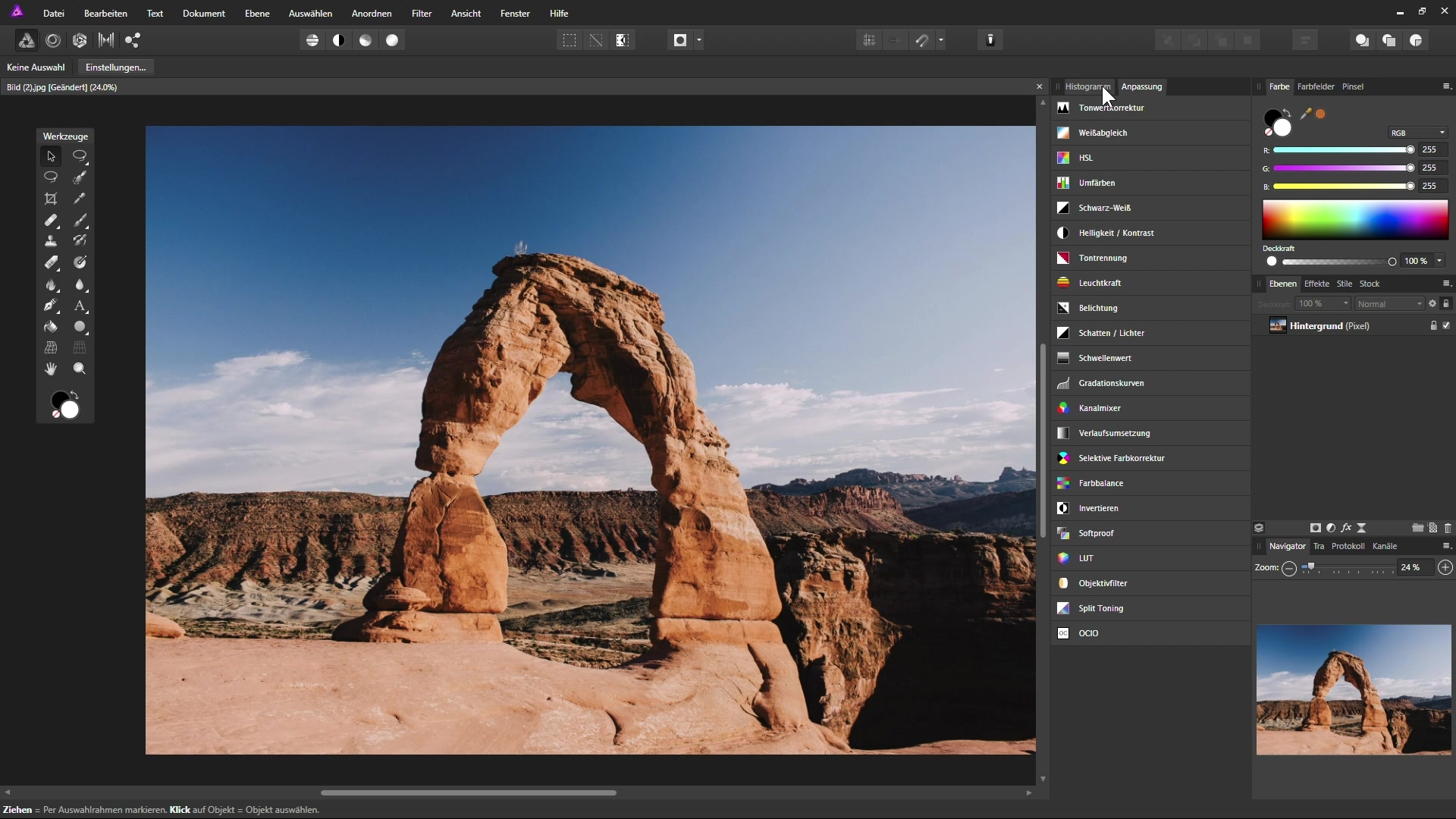
Design & PhotoAdobe Photoshop vs Affinity Photo
Choose Photoshop for the deepest professional ecosystem, collaboration compatibility and Adobe-integrated workflows. Choose Affinity Photo when you want a powerful profes
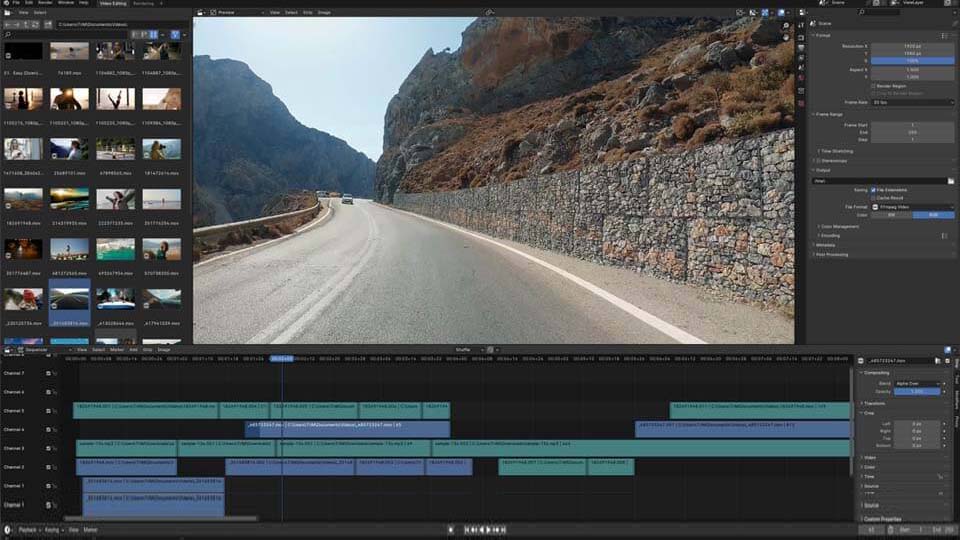
View comparison →3DBlender vs Cinema 4D
Blender is the stronger all-around value and open-source choice. Cinema 4D remains compelling for motion-design workflows and teams already invested in Maxon's ecosystem.
View comparison →VideoAdobe Premiere Pro vs DaVinci Resolve
Premiere Pro is the natural fit for Adobe-centered editorial pipelines. DaVinci Resolve is the stronger all-in-one value for editing, color, VFX and audio in one applicat
View comparison →ChatGPT vs Claude
ChatGPT is a broad creative and multimodal workspace with a large tool surface. Claude is especially attractive for long-form writing, reasoning and document-heavy workfl
View comparison →Midjourney vs Leonardo AI
Midjourney is a strong choice for fast, highly polished visual ideation. Leonardo AI is attractive when creators want a broader production-oriented toolkit and more granu
View comparison →
Canva vs Adobe Express
Canva remains exceptionally approachable for fast template-driven content. Adobe Express is especially useful for creators already connected to Adobe assets and workflows
View comparison →Figma vs Penpot
Figma is the safer choice for mature collaborative product-design workflows and ecosystem depth. Penpot is compelling for teams that prioritize open-source tooling and op
View comparison →Unity vs Unreal Engine
Unity remains flexible across many game types and platforms. Unreal Engine is especially compelling for high-end real-time visuals, cinematic work and teams leaning into
View comparison →Godot vs Unity
Godot is a standout open-source choice for independent developers and lightweight pipelines. Unity offers a much larger commercial ecosystem, marketplace and established
View comparison →REAPER vs Pro Tools
REAPER is exceptionally flexible and cost-efficient. Pro Tools remains deeply embedded in professional recording, post-production and studio interchange workflows.
View comparison → VS
VS
Pro Tools vs Logic Pro
Choose Pro Tools when commercial-studio compatibility, recording, editing and post-production interchange are central. Choose Logic Pro when you work on Mac and want an unusually complete songwriting, production, instrument and mixing environment for a one-time purchase.
View comparison →VS
Logic Pro vs Ableton Live
Logic Pro is a remarkably complete Mac production studio for recording, songwriting, mixing and built-in instruments. Ableton Live stands out for nonlinear experimentation, electronic production, sound design and performance-oriented workflows.
View comparison →VS
Ableton Live vs FL Studio
Ableton Live is exceptional for clip-based experimentation, performance and sound manipulation. FL Studio is especially compelling for beat-making, pattern-driven production and a one-time license that includes lifetime updates for the purchased edition.
View comparison →VSPro Tools vs Ableton Live
Pro Tools is better aligned with traditional recording, editing, mixing and professional studio interchange. Ableton Live is better aligned with electronic composition, loop manipulation, experimentation and stage performance.
View comparison → VS
VS
DaVinci Resolve vs Final Cut Pro
DaVinci Resolve is the stronger all-in-one finishing environment across edit, color, VFX and audio. Final Cut Pro is an excellent choice for Mac editors who value speed, Apple integration and its distinctive Magnetic Timeline.
View comparison → VS
VSAdobe Premiere Pro vs Final Cut Pro
Premiere Pro is the better fit for teams built around After Effects, Photoshop and Creative Cloud. Final Cut Pro is compelling for individual Mac editors who want fast native performance and a streamlined one-time-purchase option.
View comparison → VS
VS
Blender vs Autodesk Maya
Blender delivers an extraordinary open-source all-in-one 3D toolkit. Maya remains deeply relevant in established animation, VFX and studio pipelines where compatibility, rigging conventions and existing infrastructure matter.
View comparison →VS
Blender vs ZBrush
Blender is the broader 3D creation package. ZBrush is the specialist choice when high-density digital sculpting, character detail and sculpt-centric workflows dominate the job.
View comparison → VS
VS
Unreal Engine vs Godot
Unreal Engine is built for ambitious real-time visuals and large integrated productions. Godot is attractive for lightweight, open-source development where simplicity, ownership and a smaller footprint matter.
View comparison → VS
VS
Figma vs Canva
Figma is built around collaborative interface and product design. Canva is built around approachable template-driven content creation. They overlap at the edges, but their strongest workflows solve different problems.
View comparison →How these comparisons work
We separate objective product facts from editorial judgment. Specifications come from the Vault's resource database and current product information; verdicts focus on workflow fit rather than pretending one tool is universally best.